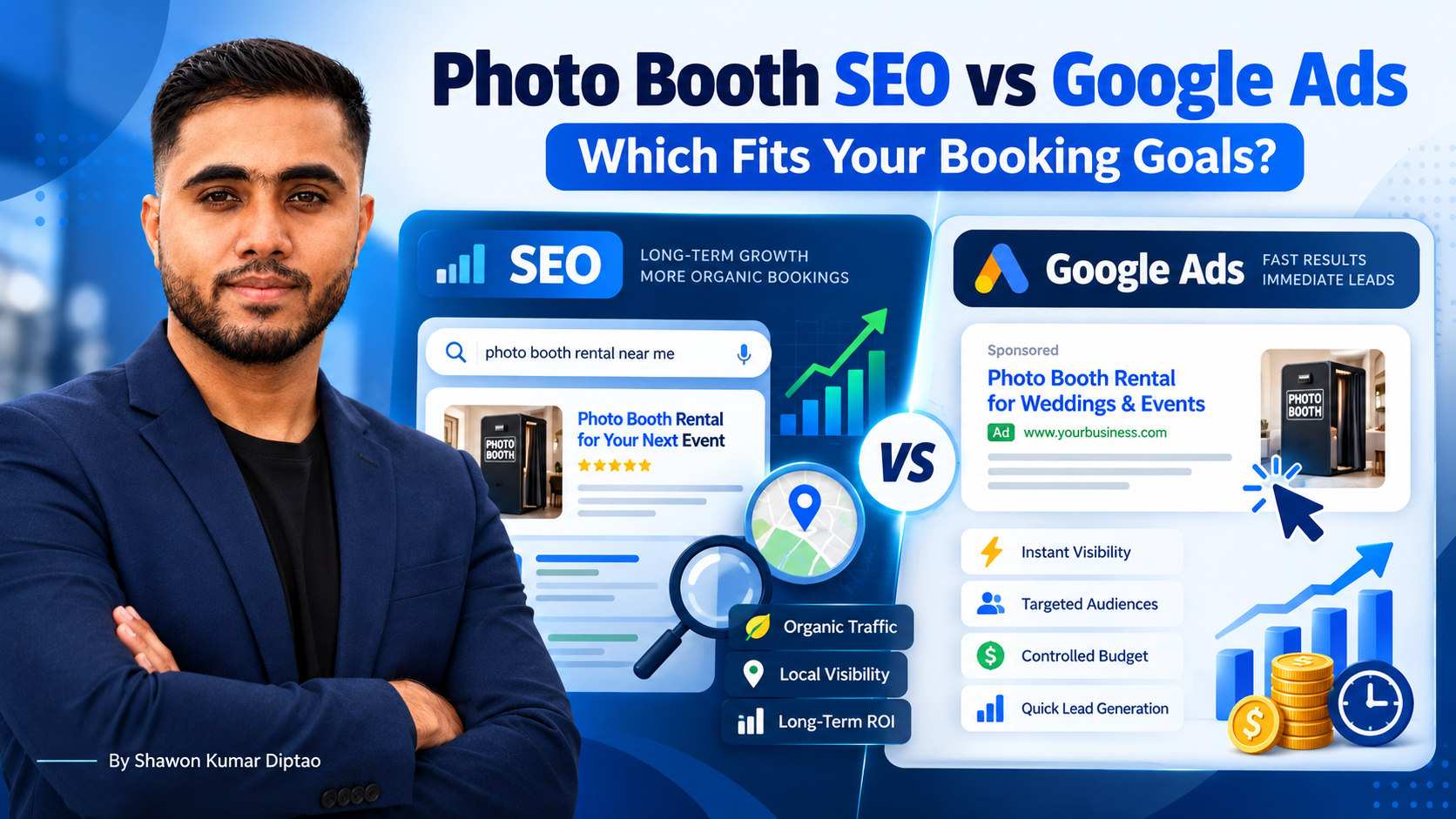

How to Get More Pest Control Calls from Google Without Relying Only on Paid Ads
If your pest control business wants more calls from Google, paid ads should not be your only strategy. The better long-term approach is to build a strong local SEO system that helps your company appear when people search for urgent pest problems, service options, and nearby exterminators.
To get more pest control calls from Google, you need an optimized Google Business Profile, service pages for each pest problem, strong local content, customer reviews, fast mobile usability, and clear call buttons across your website. Paid ads can help you get quick visibility, but organic SEO helps you build lasting traffic, trust, and lead flow.
Most pest control customers search with urgency. They may have termites damaging wood, rodents in the attic, cockroaches in the kitchen, ants around the property, or bed bugs spreading in a bedroom. These people are not browsing casually. They want help now. If your business appears in Google Maps, organic search results, and helpful content sections, you have a much better chance of turning that search into a phone call.
That is why pest control SEO is not just about ranking. It is about being visible at the exact moment a customer needs you.
Why Pest Control Businesses Should Not Depend Only on Paid Ads
Google Ads can generate fast leads, but relying only on ads can become expensive. Pest control keywords are often competitive because every local company wants the same urgent customers. When multiple companies bid for “pest control near me,” “termite treatment,” or “bed bug exterminator,” the cost per click can rise quickly.
The bigger issue is that paid ads stop working when the budget stops. If you pause your campaign, your visibility can disappear overnight. Organic SEO works differently. A well-optimized website and Google Business Profile can continue bringing calls even when you are not paying for every click.
This does not mean paid ads are bad. They can be useful for seasonal campaigns, emergency services, or new market launches. But the strongest pest control marketing strategy combines paid ads with organic SEO. Ads can help you get quick leads, while SEO builds long-term visibility and trust.
How to Get More Pest Control Calls from Google
The first step is understanding how customers search. Most people do not search like marketers. They search based on the problem they are facing.
They may type:
- “how to get rid of cockroaches”
- “termite inspection near me”
- “mouse removal in attic”
- “bed bug treatment company”
- “same day pest control”
- “wasp nest removal service”
- “pest control company near me”
Your website should be built around these real search patterns. If your pages only say “pest control services” without explaining specific problems, locations, symptoms, risks, and solutions, you may miss valuable long-tail searches.
Start by creating dedicated pages for your main pest services. A termite page should focus on termite signs, damage, inspections, treatment options, and when to call. A rodent page should explain entry points, droppings, attic noises, health risks, and removal methods. A bed bug page should answer questions about bites, inspections, treatment, and preparation.
Each page should be clear, helpful, and easy to act on. Add a phone number near the top. Use mobile-friendly buttons. Include service areas. Add FAQs. Show trust signals such as reviews, licenses, guarantees, photos, and years of experience.
The goal is simple. When someone lands on your page, they should immediately understand that you solve their exact pest problem and know how to contact you.
Optimize Your Google Business Profile for Pest Control Calls
Your Google Business Profile is one of the most important assets for local pest control SEO. Many customers call directly from the map results without visiting your website first. If your profile is incomplete, outdated, or weak, you may lose calls to competitors.
Make sure your profile includes the correct primary category. For most companies, this may be “Pest Control Service.” Add all relevant services, including termite control, rodent control, bed bug treatment, cockroach control, mosquito control, ant control, wasp removal, and commercial pest control.
Your business description should explain what you do, who you help, and what areas you serve. Keep it natural. Do not stuff keywords. Mention urgent service options if available.
Photos also matter. Add images of your team, vehicles, equipment, office, treatment process, and completed jobs where appropriate. Real photos build trust. Customers want to know they are calling a legitimate local company.
Reviews are another major factor. Ask satisfied customers to leave reviews after service. Respond to every review professionally. Include specific service terms naturally when replying, such as “thank you for choosing us for rodent control” or “we are glad we could help with your termite inspection.” This helps both trust and relevance.
Build Service Pages That Match Buyer Intent
Your website should not depend on one general pest control page. Each major service should have its own page because each pest problem has different symptoms, risks, and search intent.
Important pest control pages may include:
- Termite control
- Rodent removal
- Bed bug treatment
- Cockroach control
- Ant control
- Mosquito control
- Spider control
- Wasp and hornet removal
- Commercial pest control
- Emergency pest control
Each page should answer the customer’s immediate questions. What are the signs of this pest? Is the problem dangerous? How fast should I act? What does the treatment involve? Is it safe for children or pets? How can I schedule an inspection?
These pages help Google understand your expertise. They also help customers feel confident enough to call.
For example, a customer searching for “bed bug treatment near me” does not want a vague homepage. They want a page that explains bed bug signs, inspection process, treatment options, preparation steps, and follow-up care. The more specific your page is, the stronger your chance of ranking and converting.
Use Local SEO to Target Your Real Service Areas
Pest control is a local service. People want someone nearby, responsive, and familiar with local pest conditions. That is why service-area SEO is so important.
Even without mentioning one primary city, your website should have pages or content sections for the areas you actually serve. These pages should not be copied and pasted with only the location name changed. Google and customers can recognize thin content.
Instead, write useful local content. Mention common property types, local pest patterns, seasonal issues, and service availability. For example, some areas may have more termite problems because of older homes or moisture. Other areas may deal with rodents during colder months or mosquito activity during warmer seasons.
A strong service-area page can include:
- Local pest problems
- Neighborhood or nearby area coverage
- Types of properties served
- Common seasonal pest issues
- Inspection process
- Emergency availability
- Customer reviews from nearby jobs
- Clear call-to-action
This helps your business rank for local long-tail searches and makes your page more useful for customers.
Create Helpful Pest Control Content for Google and AI Overviews
To rank in Google and appear in AI-driven results, your content must answer specific questions clearly. Pest control customers ask many question-based searches before they call.
Good blog topics include:
- How do I know if I have termites?
- What attracts cockroaches to my kitchen?
- How do mice get into the attic?
- Are bed bugs dangerous?
- How often should pest control be done?
- What is the best time of year for pest treatment?
- Is pest control safe for pets and children?
- Why do ants keep coming back after treatment?
These topics help you capture people earlier in their decision journey. Someone may search for “signs of termites” before searching for a termite company. If your article gives a helpful answer and links to your termite service page, you can guide the visitor toward a call.
This is where internal linking becomes powerful. Each blog should connect to a relevant service page. Termite articles should link to termite control. Rodent articles should link to rodent removal. General marketing content can link to an SEO expert page or main website.
For example, if you need help building this kind of search strategy, you can visit Shawon Kumar Diptao for SEO support focused on service businesses, local visibility, and lead generation.
Improve Website Conversion So More Visitors Become Calls
Getting traffic is only part of the job. Your website also needs to convert visitors into callers. Many pest control websites lose leads because the layout is confusing, the phone number is hard to find, or the service pages do not build enough trust.
Your phone number should be visible on every page. On mobile, use a click-to-call button. Add a clear call-to-action near the top of each page, in the middle of the content, and at the bottom.
Strong CTAs include:
- Call now for pest inspection
- Schedule pest control service today
- Request a termite inspection
- Speak with a pest control expert
- Get same-day pest help
Trust signals also increase calls. Add reviews, star ratings, before-and-after explanations, certifications, safety details, service guarantees, and real photos. Customers are inviting someone into their home or business. They need confidence before they call.
Also check website speed. If your site is slow on mobile, visitors may leave before contacting you. Pest control searches are often urgent, so every second matters.
Cost of Getting More Pest Control Calls from Google
The cost of getting more pest control calls from Google depends on your market, competition, website quality, content depth, Google Business Profile strength, and current local rankings.
Paid ads usually require an ongoing budget. You pay for clicks, and costs can increase when competition rises. SEO requires investment too, but it builds assets that can keep working over time. A strong service page, optimized Google Business Profile, and helpful blog content can continue bringing traffic and calls after publication.
SEO costs may include:
- Website audit
- Technical SEO fixes
- Google Business Profile optimization
- Service page writing
- Blog content creation
- Local landing pages
- Review strategy
- Internal linking
- Local citations
- Authority building
The goal is not only to reduce marketing cost. The goal is to create a lead system that becomes more stable over time. For pest control businesses, even a few additional qualified calls per month can make SEO valuable if those calls turn into inspections, treatments, and recurring service plans.
Prevention and Maintenance Tips for Long-Term SEO Growth
Pest control SEO needs maintenance. You cannot optimize once and ignore it for a year. Competitors are updating their websites, collecting reviews, and improving their Google profiles. Your business needs to stay active too.
Update your Google Business Profile regularly. Add new photos, answer questions, publish posts, and respond to reviews. Keep your hours, services, and phone number accurate.
Refresh your service pages before peak pest seasons. Add new FAQs, stronger CTAs, updated service details, and internal links to relevant blogs. If termites become more active during certain months, update termite content before that season. If rodents become a problem during colder weather, prepare rodent content early.
Track your calls. Use call tracking where possible. Check which pages bring leads. Review your Google Business Profile insights. Look at search terms, calls, direction requests, and website visits.
SEO improves when decisions are based on data, not guessing.
When to Call a Professional SEO Consultant for Your Pest Control Business
You should call a professional SEO consultant when your pest control business is not getting enough calls from Google, even though people in your service area are searching for your services.
Common signs include:
- Your Google Business Profile does not appear in map results
- Competitors rank above you for important pest keywords
- Your website gets visits but not calls
- Your service pages are too thin
- You do not have location-focused content
- Your reviews are weak or inconsistent
- You depend too much on paid ads
- Your website is slow or outdated
- Your blog content does not support service pages
A professional SEO consultant can identify the gaps and create a clear action plan. Instead of randomly posting blogs or changing website text, you can focus on the fixes that are most likely to improve visibility and calls.
Why Choose Shawon Kumar Diptao
Shawon Kumar Diptao helps service businesses improve local visibility, attract qualified leads, and build stronger search performance. For pest control companies, the focus is not just ranking for random keywords. The focus is ranking for search terms that can generate phone calls, inspections, and booked jobs.
The strategy includes local SEO, Google Maps SEO, website optimization, service page planning, content marketing, internal linking, and AI search visibility. This helps pest control businesses build a stronger presence across Google search, map results, and helpful answer-based content.
If your pest control company wants to get more calls from Google without relying only on paid ads, Shawon Kumar Diptao can help you build a practical SEO growth system.
Visit Shawon Kumar Diptao to learn more about SEO support for service businesses.
Final Thoughts
Getting more pest control calls from Google is not about one trick. It requires a complete local SEO strategy. Your Google Business Profile must be optimized. Your website must have clear service pages. Your content must answer real customer questions. Your reviews must build trust. Your calls-to-action must be easy to find.
Paid ads can support your marketing, but they should not be your only lead source. With the right SEO system, your pest control business can build long-term visibility, reduce dependence on paid traffic, and generate more qualified calls from people who are already searching for your services.
If you are ready to improve your local search visibility, strengthen your pest control SEO strategy, and get more calls from Google, visit Shawon Kumar Diptao today.
FAQs
How can I get more pest control calls from Google?
You can get more pest control calls from Google by optimizing your Google Business Profile, creating dedicated service pages, earning more reviews, publishing helpful pest control content, improving local SEO, and making your phone number easy to find on mobile.
Is SEO better than paid ads for pest control companies?
SEO is better for long-term visibility, while paid ads are useful for quick traffic. Pest control companies usually get the best results by using paid ads for immediate leads and SEO for sustainable call growth.
What keywords should pest control companies target?
Pest control companies should target keywords such as pest control near me, termite control, rodent removal, bed bug treatment, cockroach control, emergency pest control, commercial pest control, and how to get more pest control calls from Google.
Why is my pest control business not ranking on Google Maps?
Your pest control business may not rank on Google Maps because your Google Business Profile is incomplete, your reviews are weak, your website lacks local relevance, your service pages are thin, or competitors have stronger local SEO signals.
How long does pest control SEO take to generate calls?
Pest control SEO can show early improvements within a few months, but stronger results usually take consistent optimization. The timeline depends on competition, website quality, Google Business Profile strength, content, reviews, and local authority.